
Smart ways to plan a road trip on a student budget
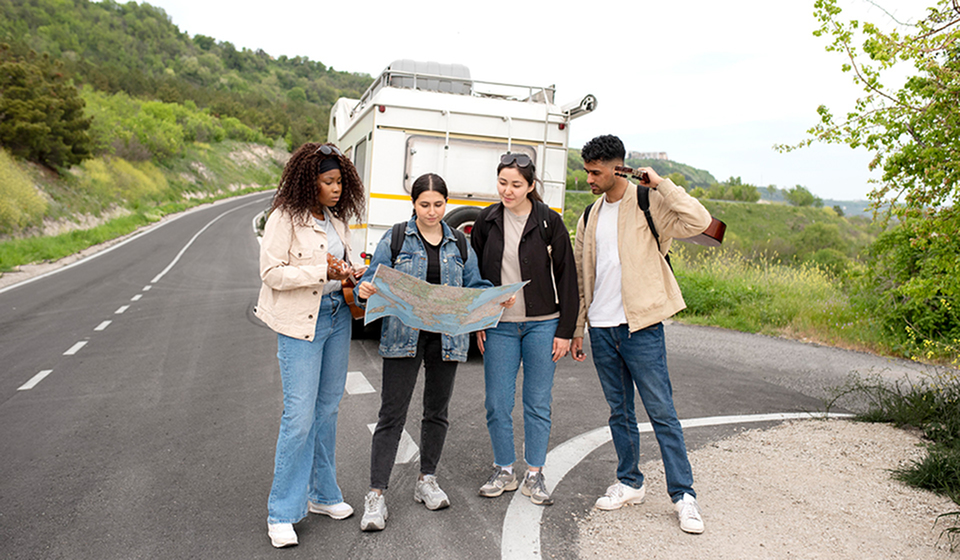
A road trip is one of the most exciting ways for students to explore new places, enjoy freedom, and create lasting memories. The open road promises adventure, but it also comes with costs that can add up quickly if you don’t plan. The good news is that with the right preparation, a road trip can be fun, affordable, and stress-free, even on a tight budget.
Before you go:
Plan your budget and route
The first step in organizing an affordable road trip is creating a budget. Think about all the expenses, fuel, tolls, food, accommodation, and activities, and set realistic spending limits for each.
- Split costs with friends: Travelling in a group lets you share expenses like gas and lodging.
- Use travel apps: Tools like Google Maps help calculate driving distances, times, and fuel usage.
- Track your spending: Budgeting apps ensure you don’t run out of money halfway through the trip.
Save on accommodation
Accommodation is often one of the biggest road trip costs, but there are plenty of budget-friendly options.
- Alternative lodging: Guest houses and short-term rentals are affordable than hotels.
- Camping: If you own a tent or sleeping bag, campsites or even free camping areas can save a lot of money.
- Stay with friends or family: Reaching out to people you know along your route is not only budget-friendly but also offers a chance to reconnect.
Reduce fuel costs
Fuel is another major expense, but with smart strategies, you can reduce the cost.
- Maximize fuel efficiency: Drive at steady speeds, use cruise control when possible, and avoid hard braking.
- Travel light: The heavier your car, the more fuel it burns. Stick to essentials only.
Eat and drink priorities
Food can drain your budget quickly if you’re not careful. The trick is to balance eating out with affordable alternatives.
- Pack your own food: Stock a cooler with sandwiches, fruit, and drinks.
- Cook meals when possible: If your lodging has a kitchen, buy groceries and prepare meals instead of dining out.
- Try local eats: Look for small markets or street food vendors instead of expensive tourist spots.
- Stay hydrated for free: Carry a reusable water bottle and refill it at rest stops, hotels, or restaurants.
Free or discounted activities
Memorable experiences don’t have to cost a fortune. Many road trip activities are free or come with student discounts.
- Student ID perks: Museums, cultural sites, and attractions often offer student pricing.
- National Parks Pass: If your trip covers multiple parks, one pass can save you money on entrance fees.
- Seek out free attractions: Scenic drives, local hikes, community events, and beaches can all be enjoyed without spending extra.
Sometimes the most meaningful memories come from simple, cost-free activities like watching a sunset with friends.
Embrace the journey
While planning is important, some of the best moments on a road trip are unplanned.
- Stay flexible: Be open to detours and spontaneous stops.
- Travel off-peak: Driving outside rush hours saves both time and fuel.
- Focus on the experience: A student road trip isn’t about luxury; it’s about adventure, creativity, and connection.
By keeping your priorities clear, you’ll find that travelling on a student budget can still feel rich in experiences.
Conclusion
Planning a road trip on a student budget doesn’t have to be stressful. With smart planning, careful budgeting, and a bit of flexibility, you can create unforgettable experiences without breaking the bank.
When it comes to having a comfortable home base before or after your trip, Bridgeport House offers fully furnished housing designed with students in mind. Enjoy a cozy, convenient off-campus student housing in Waterloo that makes returning from your adventures easy and relaxing.