
Simple meal prepping hacks to make student life easier
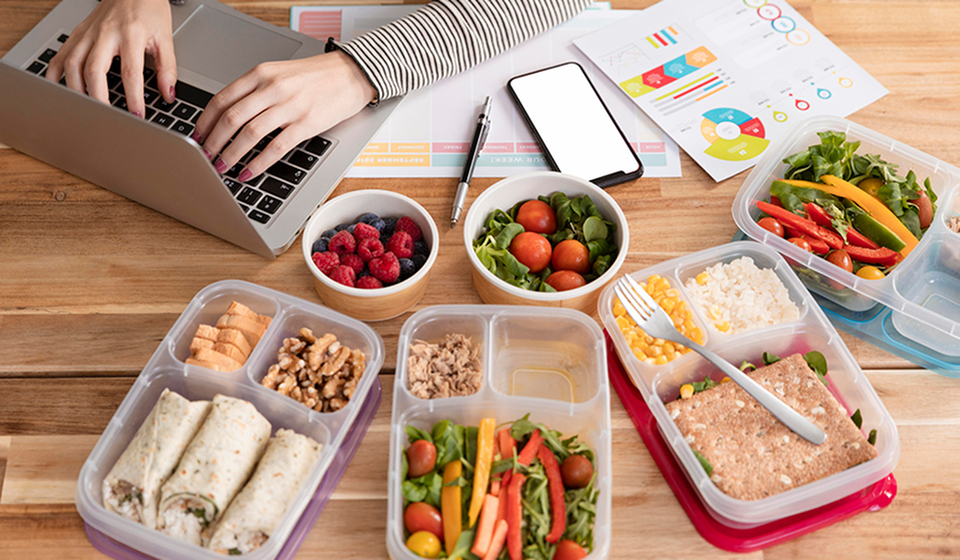
Balancing university, friends, and part-time work while trying to eat healthy can feel overwhelming. For students, the day is usually packed with lectures, assignments, and social activities, leaving little time to think about cooking. However, learning a few easy meal-prepping hacks can make student life much easier. With some planning, you can save time, reduce food costs, and still enjoy meals that are both filling and nutritious.
Meal prepping Ideas for students
Start small with the basics
Meal prepping doesn’t have to mean cooking a full week of meals in one day. Start small by preparing just two or three meals at a time. For example, you might cook a batch of pasta, roast some vegetables, or prepare a pot of rice and beans. These can be stored in containers, refrigerated, and easily reheated when you’re hungry.
If you don’t have a lot of cooking equipment, focus on meals that require minimal tools. A single frying pan, a small pot, and a cutting board are usually enough to create quick, nutritious meals. The goal is to build confidence in the kitchen without feeling stressed or overwhelmed.
Storage tips for small spaces
Many students live in apartments or shared housing with small kitchens and limited fridge space. To make the most of what you have, invest in stackable food containers. Glass containers are durable, but lightweight plastic ones can also work if storage space is tight.
Another tip is to freeze meals you won’t eat right away. Freezing helps keep food fresh and allows you to make meals in larger batches without worrying about waste. Label your containers with dates so you know what to eat first.
Budget-friendly ingredients
You don’t need expensive items to create healthy meals. Some of the best meal-prep ingredients are also the most affordable. Staples like rice, oats, lentils, beans, pasta, and frozen vegetables are inexpensive and can be used in a variety of recipes. Buying in bulk and choosing store-brand items can also stretch your budget further.
Protein is also important, and it doesn’t have to come from costly cuts of meat. Eggs, canned tuna, chickpeas, and tofu are all affordable sources of protein that work well in many dishes. Pair them with vegetables and grains, and you’ll have a balanced meal every time.
Quick meal ideas for busy students:
Here are a few simple meal prep ideas to get started:
- Overnight oats—Mix oats, milk (or a milk alternative), and fruit in a jar. Leave it in the fridge overnight for a ready-to-eat breakfast.
- Stir-fry—Cook chopped vegetables and a protein source in a pan with soy sauce. Serve with rice for a quick lunch or dinner.
- Wraps—Fill tortillas with beans, veggies, or chicken for a grab-and-go option.
- One-pot pasta—Cook pasta, veggies, and sauce all in the same pot to save time and dishes.
- Soup or chili—Make a large pot, divide it into portions, and freeze some for later.
These meals are easy to prepare, affordable, and don’t require much kitchen space.
Staying consistent
Meal prepping only works if you make it a regular part of your routine. Pick one day a week to prepare your meals; many students find Sunday afternoons work best. Use that time to cook, portion meals, and store them for the week ahead. Once it becomes a habit, you’ll spend less time stressing about what to eat and more time focusing on your studies and activities.
Conclusion
Meal prepping may seem like a small habit, but it can make a huge difference in student life. From saving money and reducing stress to improving health, the benefits are endless. By starting small, using affordable ingredients, and keeping a routine, students can create a system that works for them, even in a small kitchen with limited tools.
For those looking for comfortable living spaces, Bridgeport House offers fully furnished rooms for rent near Waterloo University designed with students in mind. These apartments make it easy to settle in, with kitchens ready for meal prepping and community areas that encourage connection and balance. Living in a supportive student community not only makes cooking and sharing meals easier but also creates a sense of belonging during your time at university.